From the Director’s Desk: Mentorship Over Management
Mentorship Over Management
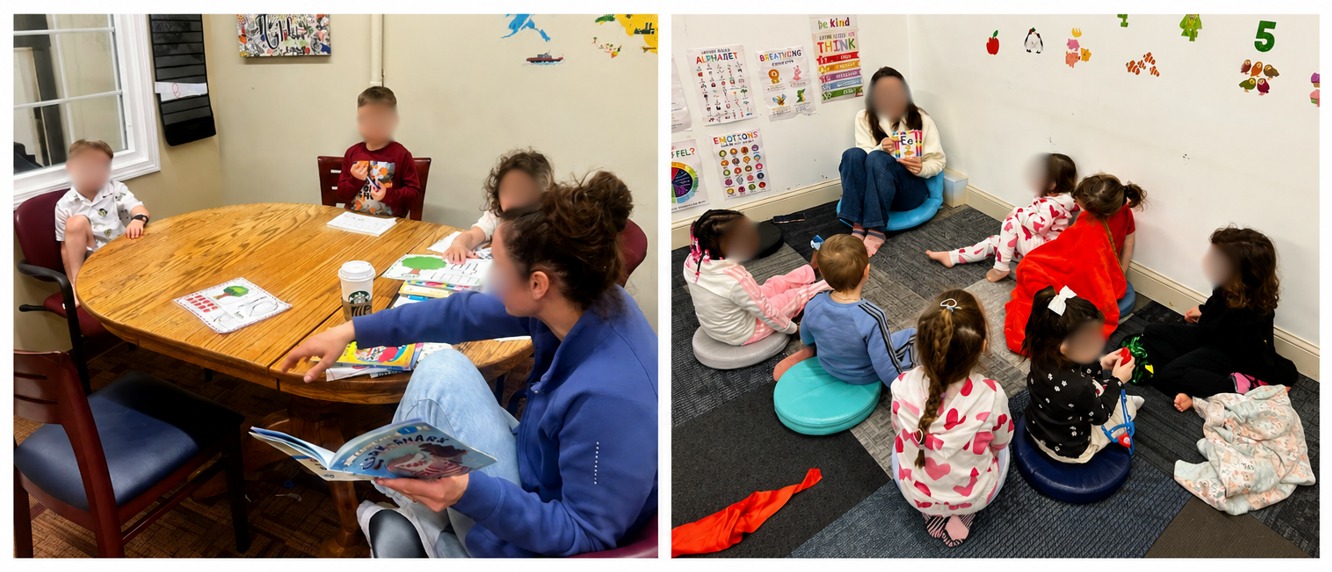
There’s an important difference between managing children and mentoring them.
At first glance, the two can look similar. Both involve guidance, structure, correction, and support. But underneath the surface, the intention is very different, and over time, that difference shapes the kind of adults children become.
Managing is often focused on short-term behavior. Keeping children quiet, compliant, and moving efficiently from one task to the next. It prioritizes control and immediate outcomes.
Mentorship focuses on development. A mentor is not simply trying to get a child through the day. A mentor is helping a child grow into someone who can think independently, communicate clearly, solve problems, and navigate challenges with confidence.
At Apogee CT, we believe children are capable of far more than most environments allow them to practice. Because of that, our role as adults is not to direct children at every moment, but to guide them as they develop the skills, character, and confidence that will serve them throughout life.
That changes the way we interact with children each day. Instead of immediately jumping in with solutions, we ask questions. Instead of overcorrecting every mistake, we create space for reflection and growth. Instead of rescuing children from every challenge, we help them work through difficulties in a supported way.
Sometimes that looks like encouraging a child to solve a disagreement before an adult steps in. Sometimes it means allowing a learner to struggle through a task a little longer instead of immediately helping. Sometimes it’s simply taking the time to truly listen. These moments may seem small, but over time they build something important: self-trust.
Children begin learning that they can think critically, recover from mistakes, communicate effectively, and handle challenges without needing someone to constantly step in for them. That confidence is not built through constant praise or easy success. It’s built through experience.
The goal is not raising children who always need direction. The goal is raising children who can eventually direct themselves. This does not mean there are no expectations or boundaries. Children still need structure, accountability, and guidance. But the goal is different. The goal is not simply obedience at the moment. The goal is helping children become capable enough to navigate life with increasing independence over time.
At Apogee CT, we believe education should help children become more thoughtful, resilient, independent, and capable. That kind of growth happens through mentorship.
Because children may comply when they are managed.
But they grow when they are mentored.
