From the Director’s Desk: Learning Beyond the Table
Learning Beyond the Table
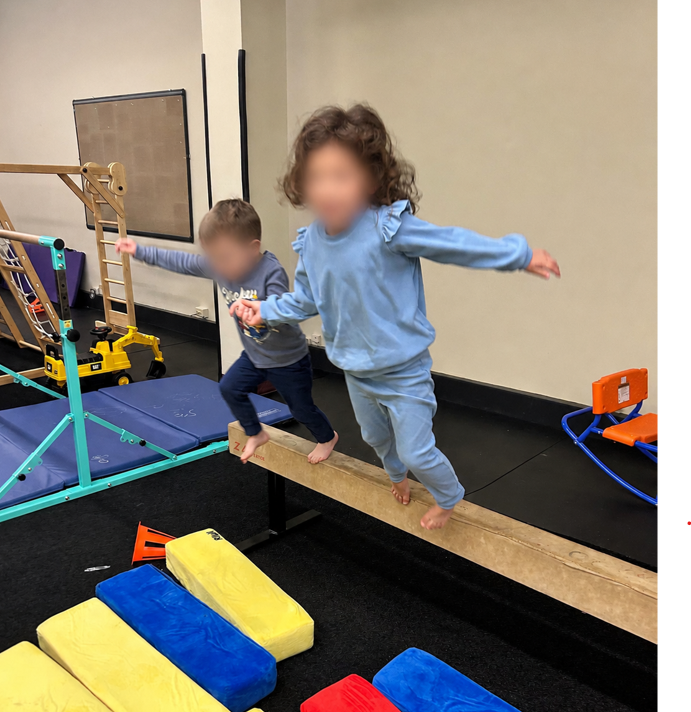
Learning does not only happen at a table with pencils, paper, worksheets, or structured lessons. Some of the most meaningful learning happens when children are moving, exploring, building, balancing, climbing, and figuring things out in real time.
At first glance, these moments may look like simple play. A child trying to balance. A group working through a movement challenge. Someone climbing, jumping, adjusting, or trying again after something did not go the way they expected. But underneath the surface, there is a lot happening.
Children are learning how to focus their attention, control their bodies, assess their surroundings, and make decisions. They are learning how to manage uncertainty, how to stay with a challenge, and how to adjust when something feels difficult.
This kind of learning is important because it gives children real experiences of capability. They are not just being told to be confident. They are being given opportunities to feel confidence develop through action.
When a child tries something that feels a little hard, pauses, thinks, and tries again, something begins to shift. They start to learn, “I can figure this out.” That belief is built through repetition, not lectures. It comes from experience.
At Apogee, we believe movement is an essential part of learning because children are not just minds sitting in chairs. They are growing bodies, developing nervous systems, curious thinkers, and future leaders. When they are given space to move, explore, and work through challenges, learning becomes more natural and more meaningful.
That is why we value learning beyond the table. Sometimes the lesson is not in what a child writes down. Sometimes the lesson is in what they try, how they adjust, and the confidence they build along the way.
