From the Director’s Desk:When Kids Quit Too Fast
When Kids Quit Too Fast
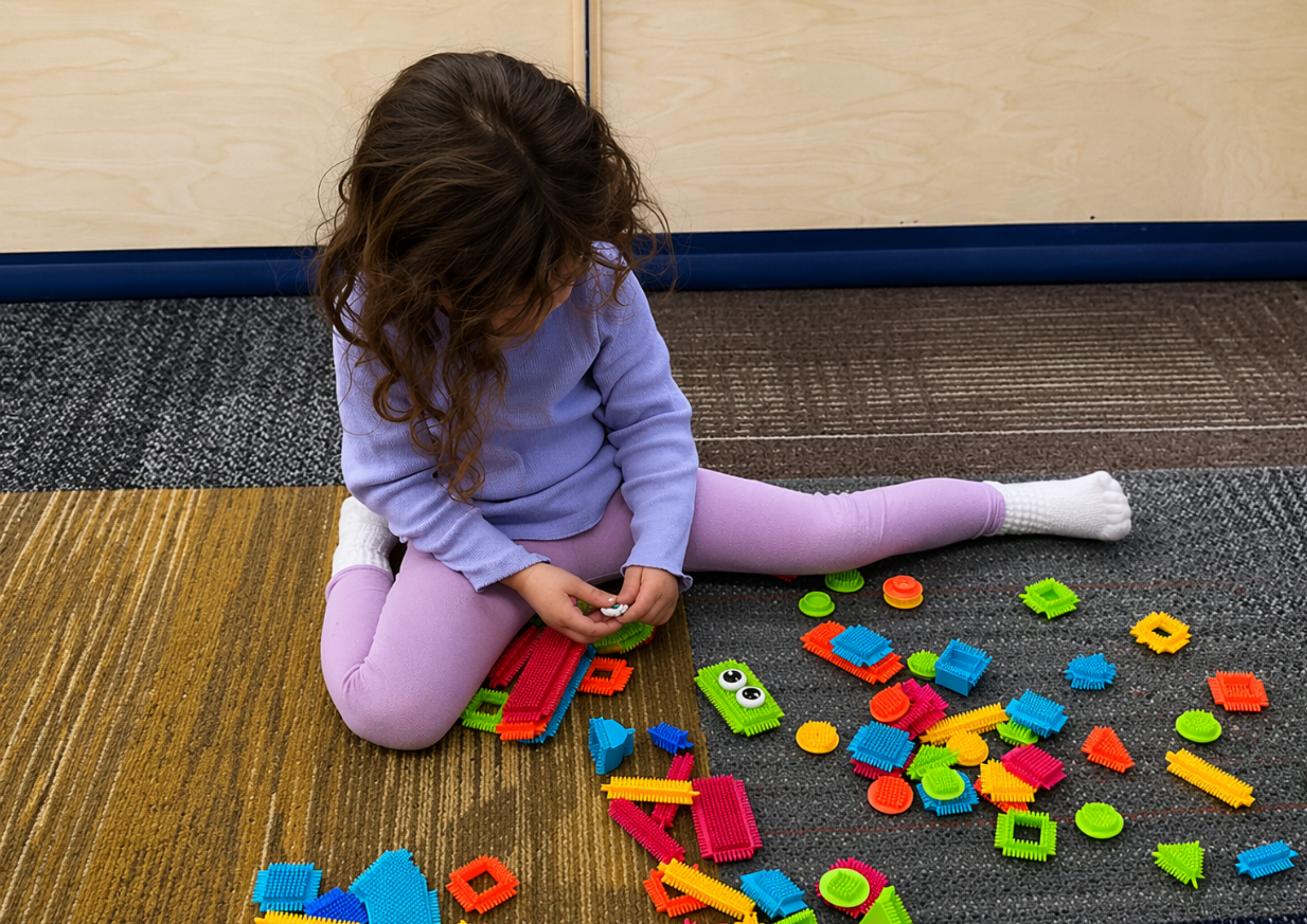
Starting Is Easy. Finishing Teaches Something Different
There’s a pattern we see often with children that’s easy to miss if you’re not looking for it.
They are very willing to start.
A new project, a new activity, a new idea. Children are naturally curious and open to trying things. They jump in quickly, explore freely, and often bring a lot of energy to the beginning of something.
But finishing is a different experience.
As the initial excitement wears off, the work begins to change. It may feel slower, more repetitive, or more challenging than expected. This is often the point where children start to lose interest or look for something new to move on to.
What’s happening at that moment is important.
Finishing isn’t just about completing a task. It’s where children begin to develop patience, attention to detail, and a sense of responsibility for what they’ve started. It teaches them how to stay with something even when it’s no longer new or exciting.
At Apogee CT, we pay attention to this part of the process just as much as the beginning. Starting shows curiosity. Finishing builds discipline.
You may notice this in small, everyday moments. A child going back to complete something they left earlier. Taking the time to clean up before moving on. Staying with an activity a little longer, even when they feel ready to switch. These experiences may seem simple, but they shape how children approach challenges over time.
When children learn that starting something comes with the expectation of seeing it through, they begin to develop a different relationship with effort. They become more thoughtful in what they choose to begin, and more capable of staying engaged when things become less exciting.
This doesn’t require pressure or perfection. It requires consistency, clear expectations, and support in those moments when it would be easier to walk away.
Over time, finishing becomes less of a push and more of a habit. And that habit carries into everything else they do.
