From the Director’s Desk: Why Social Skills Are Just as Important as ABCs
Why Social Skills Are Just as Important as ABCs
When many people think about early education, they picture children learning their letters, numbers, and early reading skills. These foundational academics are certainly important—but at Apogee CT, we believe something just as critical is happening alongside them: children are learning how to be people.
Social skills are the foundation for success in school, friendships, and eventually the workplace. Long before children are writing sentences or solving math problems independently, they are learning how to share materials, take turns, communicate their needs, handle frustration, and solve problems with others.
These are not “extra” skills. They are life skills.
When young children practice cooperation, empathy, and communication, they are developing the tools they will use for the rest of their lives. A child who can say, “Can I have a turn when you’re done?” instead of grabbing a toy is practicing self-control and respectful communication. A child who learns to work through a disagreement with a peer is developing emotional regulation and problem-solving skills.
In fact, strong social skills often make academic learning easier. Children who feel confident interacting with peers and teachers are more willing to ask questions, try new things, and stay engaged in learning activities.
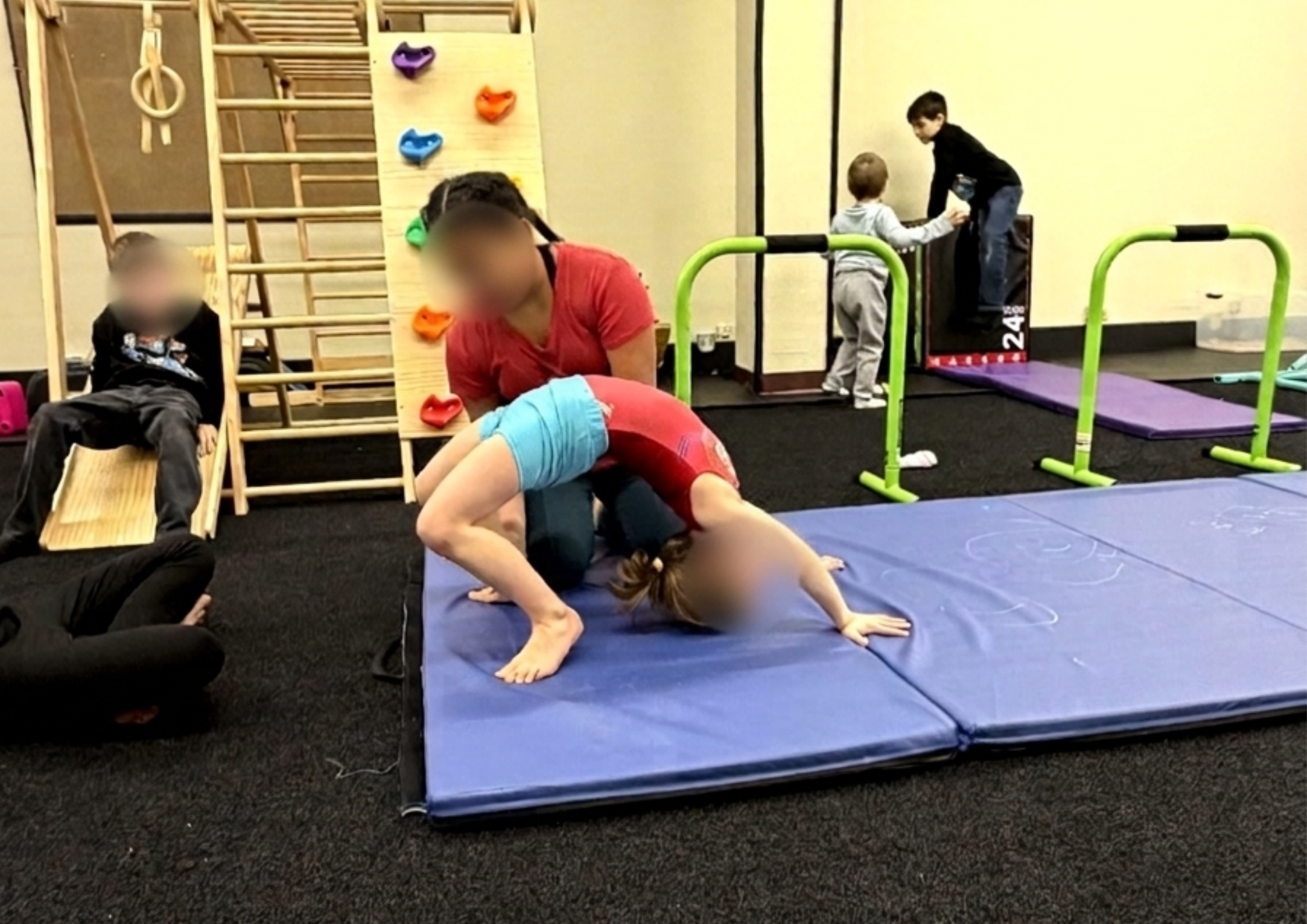
That’s why at Apogee CT, social learning is woven into the entire day. During hands-on projects, group activities, play-based learning, and even snack time, children are practicing collaboration, communication, and leadership. Our role as guides is to help children navigate these interactions—coaching them through challenges and celebrating their growth.
When we support social development alongside academics, we’re not just preparing children to succeed in school—we’re helping them grow into confident, capable, and thoughtful individuals.
Because learning the alphabet is important.
But learning how to work with others, express feelings, and solve problems may be even more powerful.
