From the Director’s Desk: Raising Builders
Raising Builders
It has never been easier to consume.
With a few taps, we can order what we need, watch endless entertainment, and find answers to almost any question. Convenience is everywhere, and in many ways, that's a good thing. But as parents, it's worth asking what our children are learning from the world around them.
Are they mostly consuming, or are they creating?
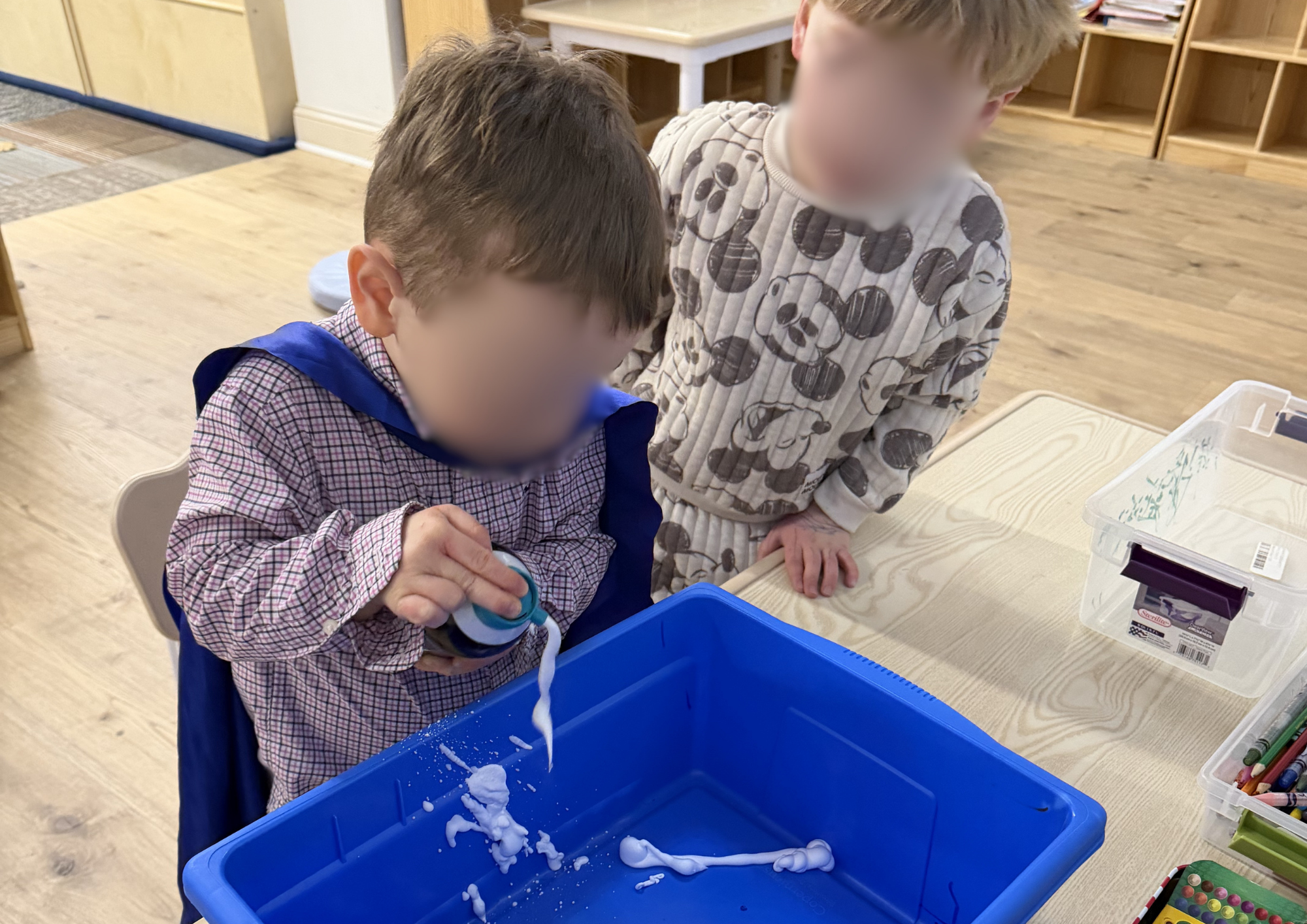
Children naturally enjoy building things. Give them a pile of blocks, a cardboard box, a handful of art supplies, or a problem to solve, and they immediately begin imagining possibilities. They experiment, make mistakes, adjust, and try again. In the process, they develop skills that reach far beyond the project itself.
Some of the most valuable learning happens when children are creating something of their own. It might be a fort in the living room, a business idea, a garden, a piece of artwork, or a solution to a problem they've encountered. The project itself matters less than the experience of bringing an idea to life.
When children build, they learn that effort produces results. They learn that problems can be solved. They learn that setbacks are part of the process rather than signs to quit. Most importantly, they begin to see themselves as capable people who can contribute to the world around them.
Throughout the year, we see this happen in many different ways. Learners take ownership of projects, work through challenges, and discover abilities they didn't know they had. Often, the greatest growth doesn't come from being given answers. It comes from having the opportunity to figure things out for themselves.
As summer begins, there are countless opportunities for children to create rather than simply consume. They can help build a garden bed, start a small project, learn a new skill, make something with their hands, or take responsibility for solving a problem around the house.
These experiences may seem small, but they leave a lasting impact.
Because long after children forget the details of a project, they remember what it felt like to create something on their own. They remember overcoming obstacles, finding solutions, and seeing their efforts turn into something real.
And over time, those experiences help shape young people who don't just participate in the world around them, but actively contribute to it.
