From the Director’s Desk: The Skill of Paying Attention
The Skill of Paying Attention
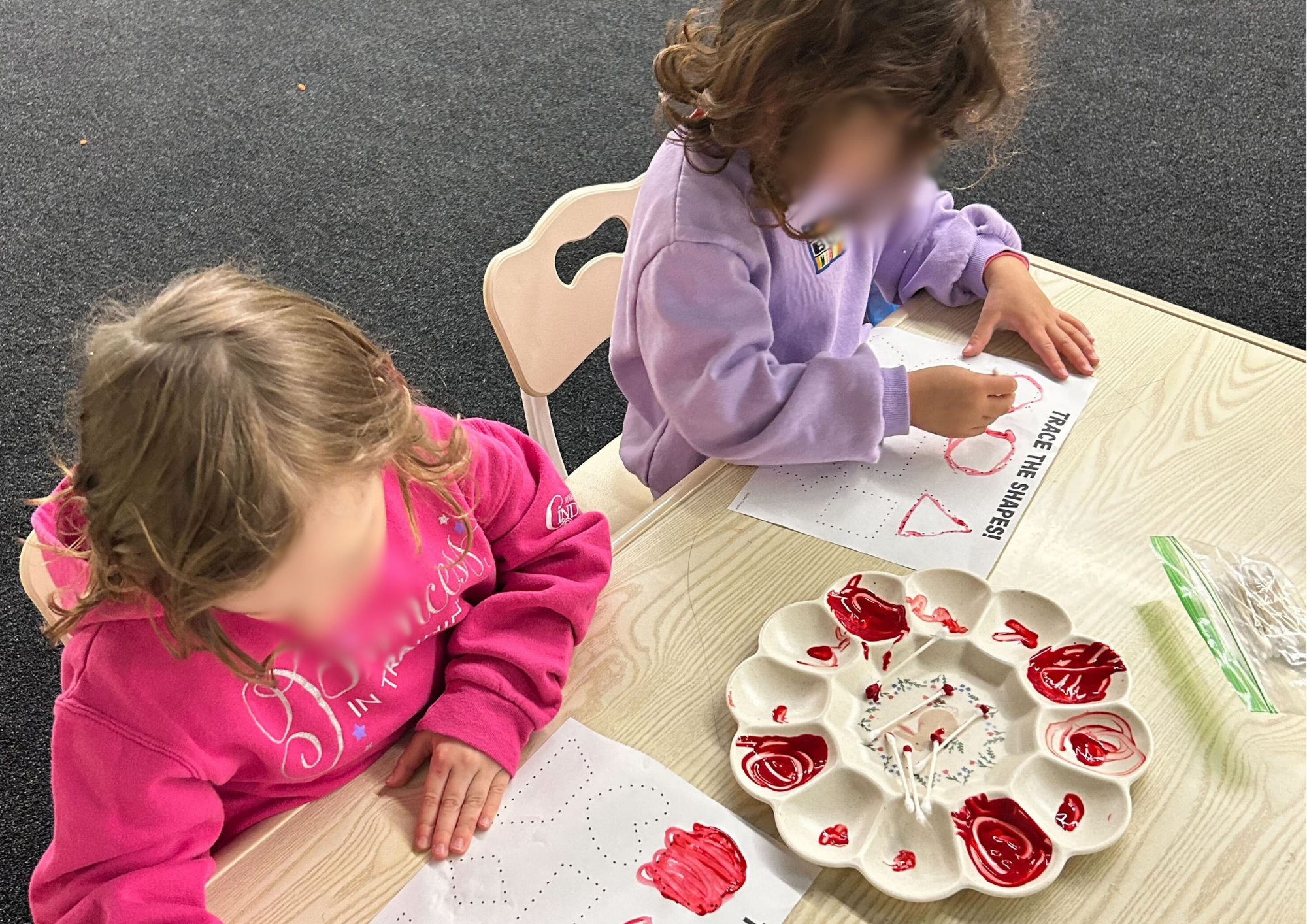
There is a skill that quietly influences nearly everything a child does, yet it rarely gets talked about as much as academics, sports, or extracurricular activities.
That skill is attention.
The ability to focus on something, stay with it, notice details, and remain present has become increasingly valuable in a world designed to pull our attention in a hundred different directions. While attention has always mattered, today's children are growing up in an environment filled with more distractions than ever before.
Notifications, videos, advertisements, entertainment, and endless streams of information compete for their focus every day. Because of that, the ability to pay attention is no longer something we can simply assume will develop on its own. Like reading, communication, or leadership, it is a skill that benefits from intentional practice.
At Apogee CT, we see attention as a skill worth developing.
You see it when a learner stays engaged with a project longer than they thought possible. You see it during a conversation when children listen carefully to understand someone else's perspective instead of simply waiting for their turn to speak. You see it when a child notices a small detail, asks a thoughtful question, or works through a challenge without immediately looking for a distraction or an easy way out.
Attention is about more than academics.
It impacts relationships, communication, problem-solving, leadership, and confidence. When children learn to pay attention, they become better observers of the world around them. They notice opportunities others miss. They think more deeply about situations and become more aware of how their actions affect the people around them.
Like any skill, attention grows through practice. Reading books, spending time outdoors, building, creating, having meaningful conversations, and working through real-world challenges all strengthen a child's ability to focus and engage with the present moment. These experiences encourage children to slow down, stay engaged, and develop the habit of giving their full attention to what is in front of them.
The goal is not perfection. Every child gets distracted, and every adult does too. The goal is helping children recognize distractions and develop the ability to return their attention to what matters.
Because in a world full of distractions, the ability to pay attention may become one of the most important skills they carry into adulthood.
